Some projects aren’t about efficiency, timelines, or deliverables.
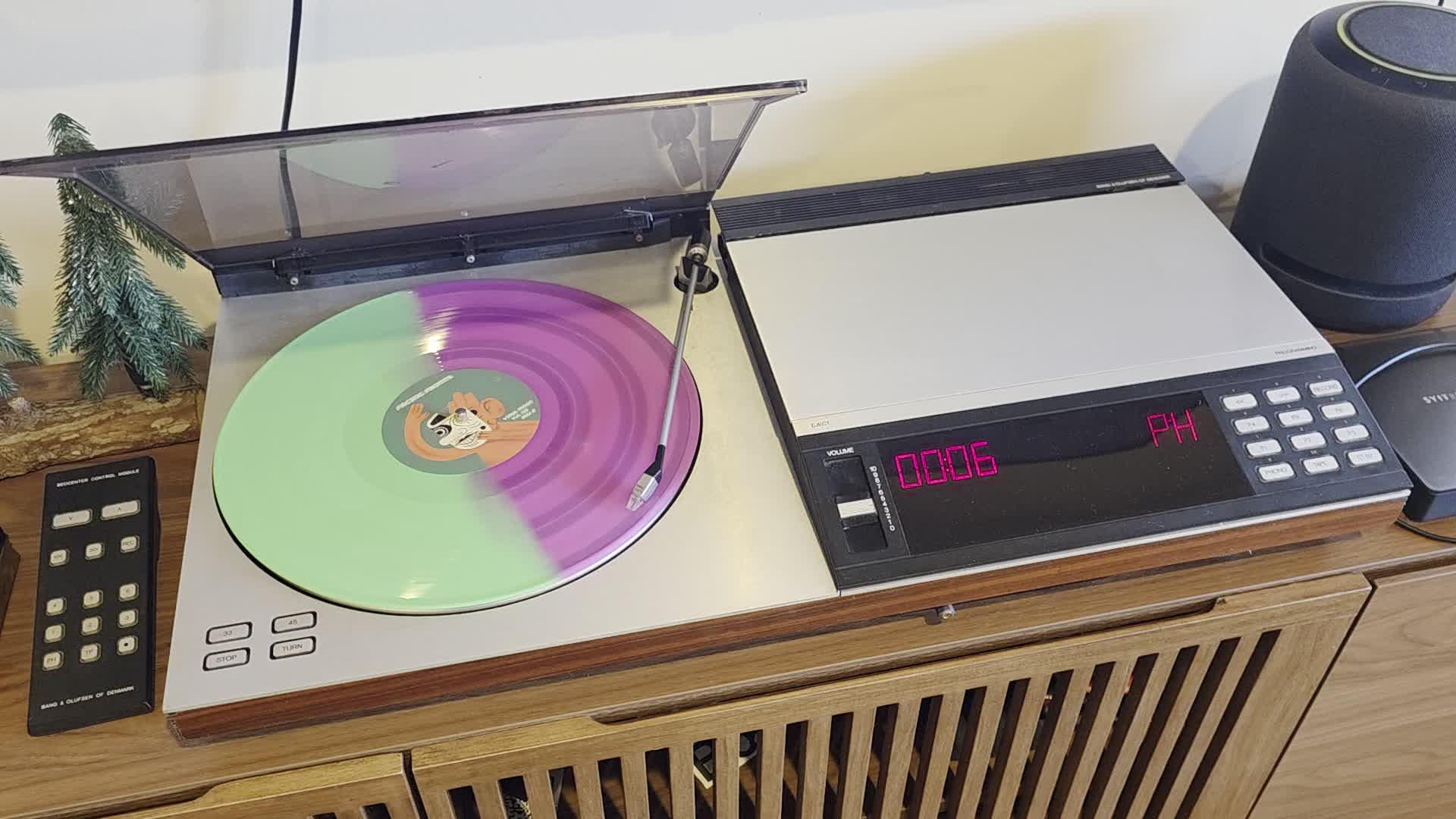
A little over a year ago, I brought back from Greece a vintage Bang & Olufsen Beocenter 7000 — a piece of industrial design and engineering that once sat at the heart of my family’s living room. It belonged to my late mother.
Growing up, this wasn’t just a stereo. It was part of daily life. I remember happy moments from my youth: putting on vinyl records together, dancing in the living room, listening to her favorite albums, and letting music fill the space in ways that felt effortless and joyful. Long before I understood design or architecture, this object quietly shaped my experience of space, sound, and togetherness.
Beyond its personal history, the Beocenter 7000 stands as a quiet but confident expression of late modernist design. Its low, horizontal profile, disciplined geometry, and absence of ornament place it firmly within a lineage that values clarity, proportion, and restraint. Like much modernist architecture, its intelligence is not announced but embedded: wood and aluminum surfaces conceal complex systems beneath, while movement — the awning doors, the gliding tonearm — becomes part of the experience rather than a visual distraction. There is a strong belief here in integration over addition, in the idea that technology should serve daily life without dominating it. Even decades later, the object feels contemporary, not because it chases trends, but because it adheres to principles that are timeless: precision, legibility, and respect for the user.
When I unpacked it after so long and powered it on, it didn’t work.At first, I considered leaving it as it was — a silent artifact, preserved for its emotional value alone. But the object meant more to me than that. Because of its sentimental weight, I decided to try to bring it back to life.
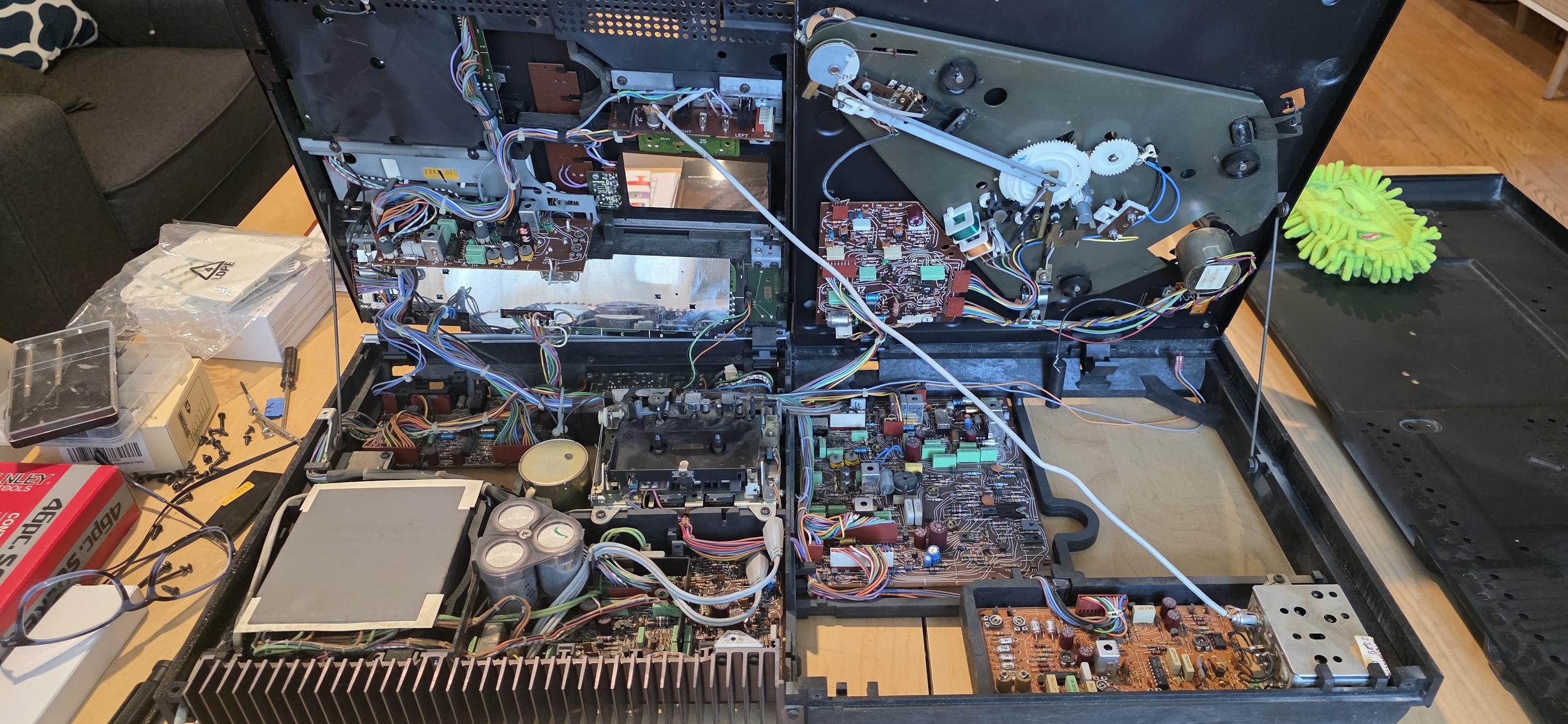
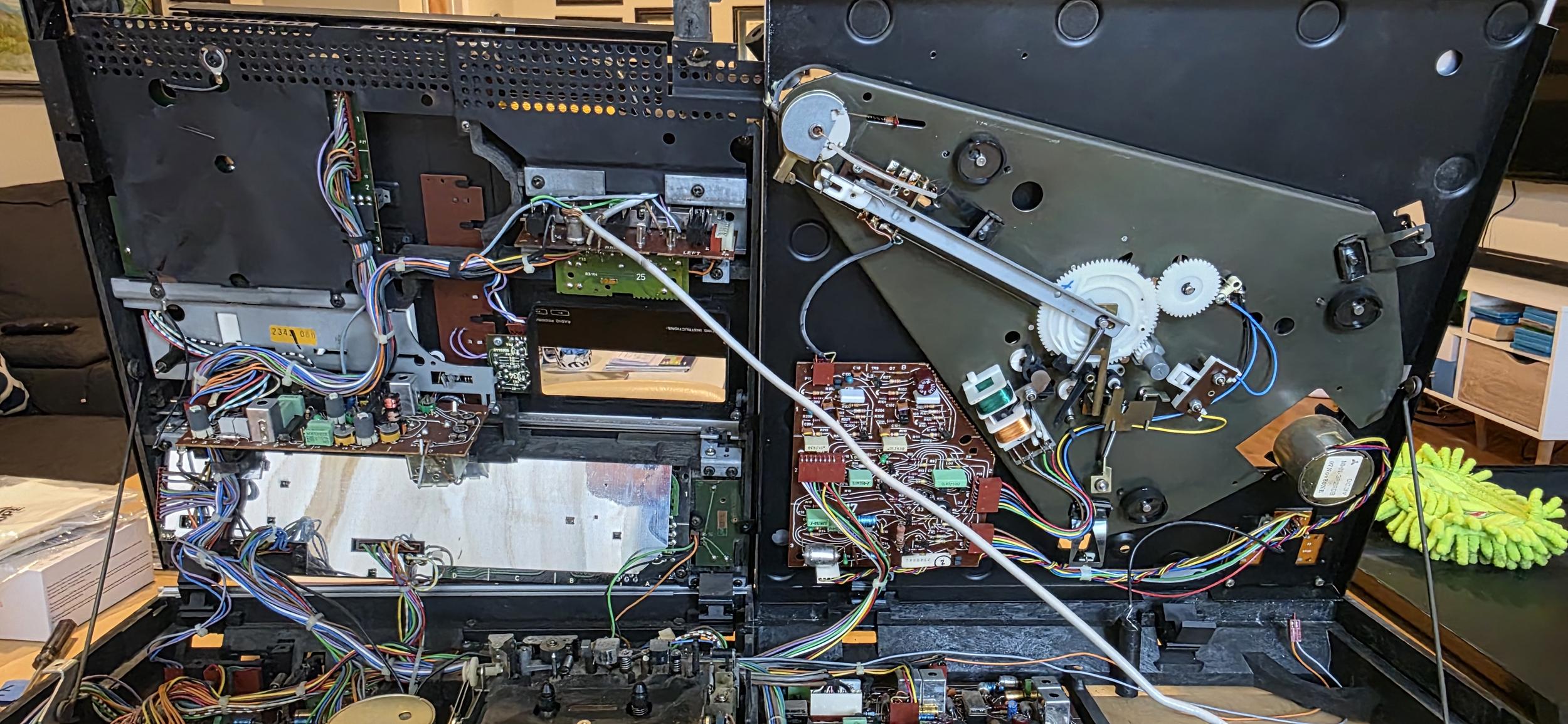
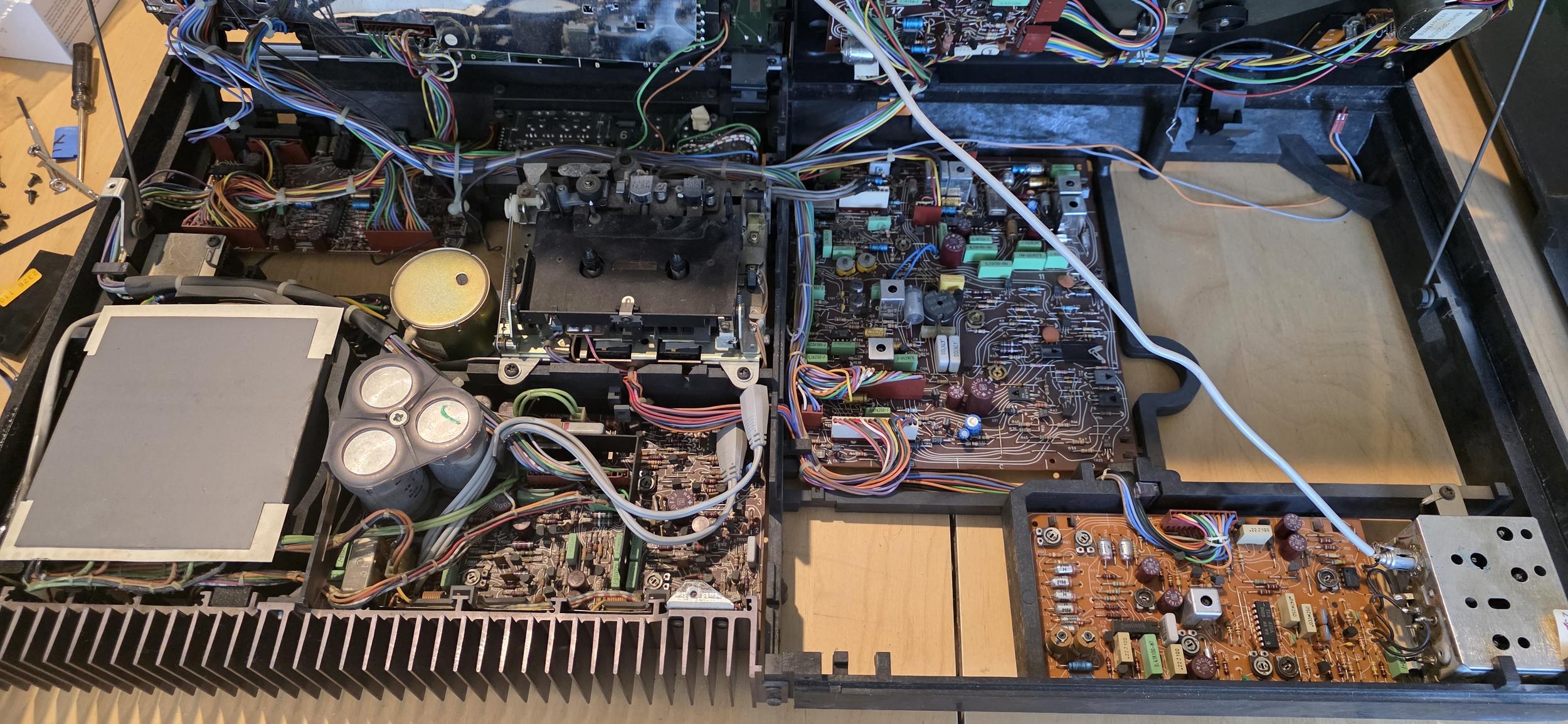
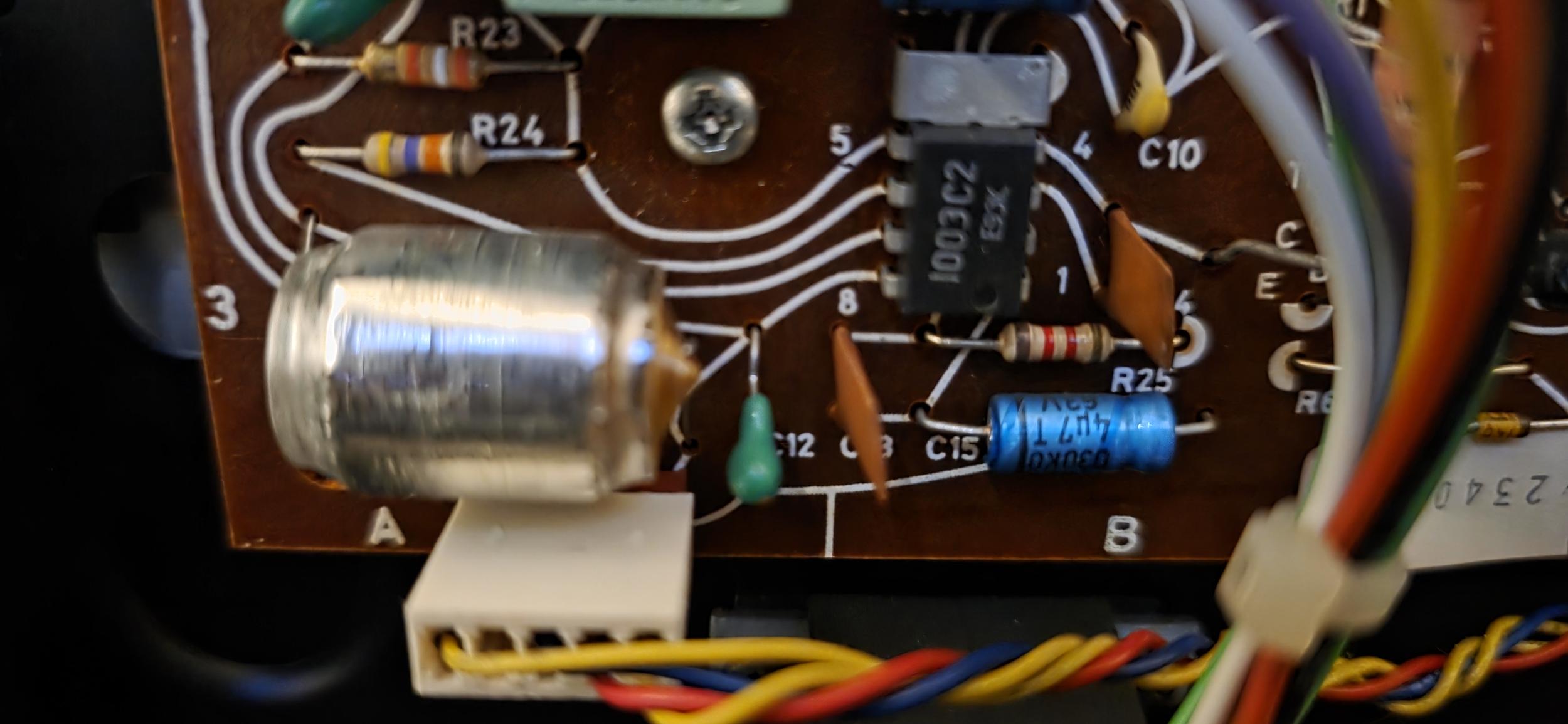
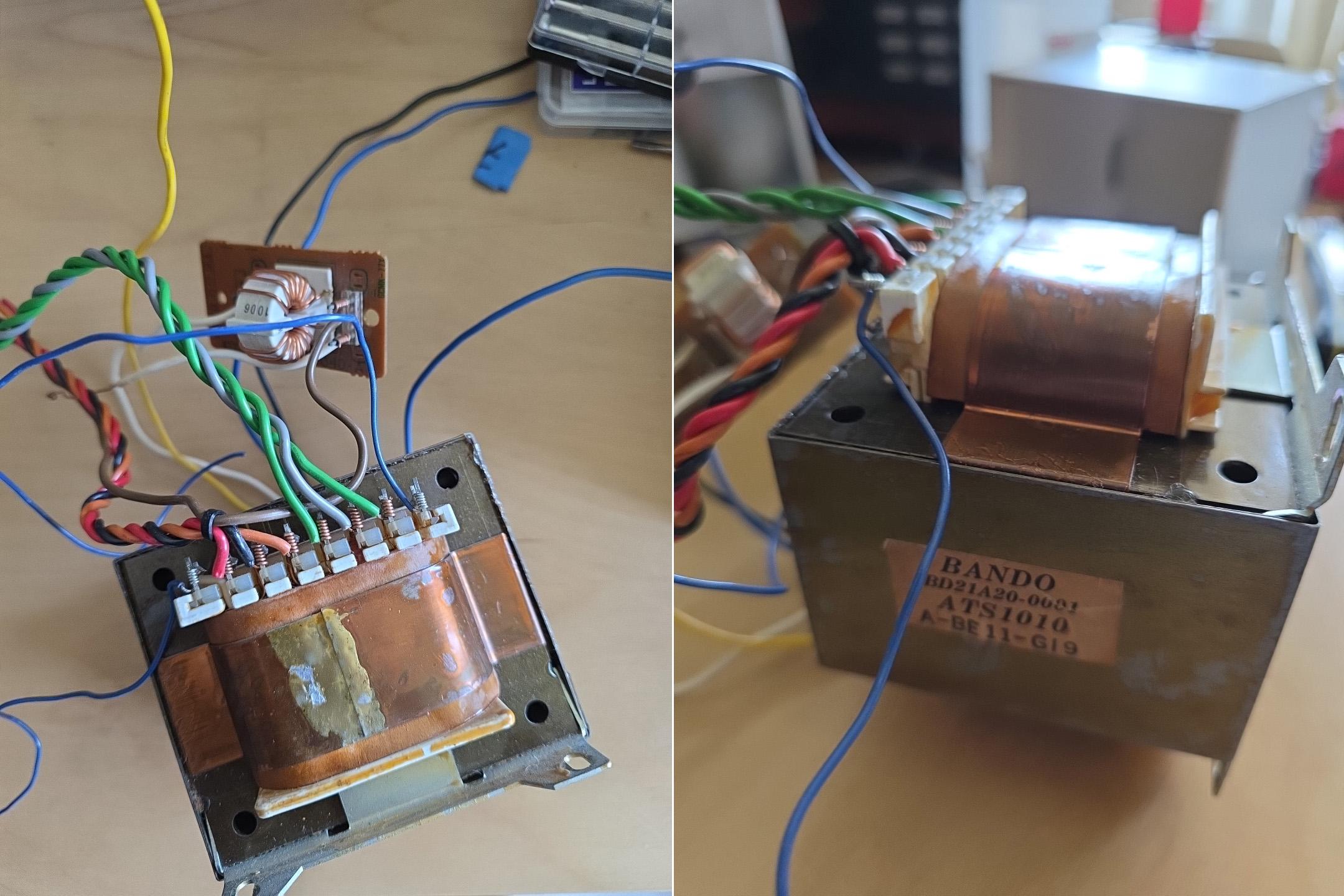
What followed was a much longer and more complex process than I expected.There is no active support from the manufacturer. No replacement parts. No manuals meant for today. Every decision required research, patience, and often hesitation. Understanding what was broken — and what should not be touched — was one of the hardest parts. The line between careful intervention and irreversible damage is thin when dealing with precision analog systems designed decades ago.
Gathering the right tools took time. Finding missing or obsolete parts took even longer. Some components had to be sourced second-hand; others required creative problem-solving or complete replacement of entire assemblies. Progress happened in small increments, often followed by setbacks. There were moments when walking away seemed like the sensible choice.
The entire process stretched over more than a year. Throughout it, I kept being reminded why I’m drawn to design and architecture in the first place. This wasn’t troubleshooting in the modern sense — there were no error codes or software resets. Everything depended on understanding how mechanical, electrical, and human systems interact: timing, tolerances, movement, feedback. Precision hidden behind simplicity.
Eventually, piece by piece, the Beocenter came back together. The turntable spins. The tonearm glides. Music plays again.
Hearing it come alive wasn’t just satisfying — it was deeply grounding. It felt like restoring a conversation across time: between the original designers, my mother as its user, and myself as a caretaker many years later.
This was never just a repair project. It was an act of remembrance. A reminder that well-designed objects carry more than function — they carry memory, emotion, and presence. And sometimes, taking the time to understand and preserve them is a way of reconnecting with parts of ourselves we didn’t realize we’d set aside.